Antiparasitic • Broad‑spectrum

Buy Ivermectin Online – Trusted Antiparasitic Treatment

Ivermectin is a well‑established antiparasitic medication used worldwide for treating various parasitic infections.

Ivermectin Overview

Ivermectin is a broad‑spectrum antiparasitic agent used for treating infections caused by parasitic worms, mites, and certain insects. It has been used globally for decades and is considered one of the most important antiparasitic medicines.

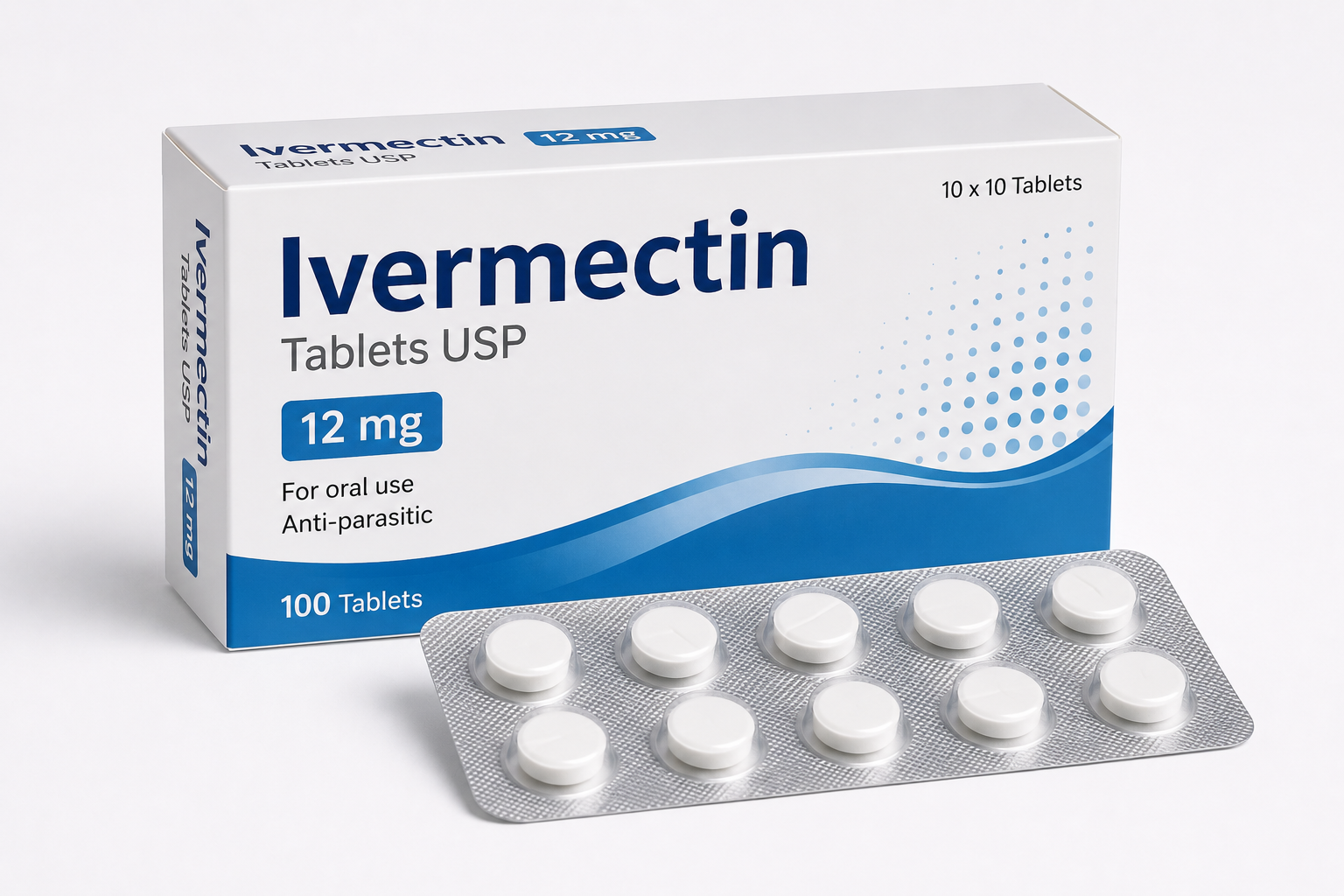
Ivermectin tablets

What is Ivermectin?

Ivermectin is an antiparasitic medication used to treat infections such as strongyloidiasis, onchocerciasis, scabies, and other parasitic conditions. It works by paralyzing and killing parasites.

It is available in tablet form and is widely used in both human and veterinary medicine.

Quick Facts

  • Broad‑spectrum antiparasitic
  • Used for worms, mites, and insects
  • Oral tablet form
  • Long safety record

Key Benefits of Ivermectin

Broad‑Spectrum Action

Effective against multiple types of parasites, including worms and mites.

Fast Onset

Begins working quickly to immobilize and eliminate parasites.

Well‑Studied

Decades of clinical use with a strong safety profile.

How Ivermectin Works

Ivermectin binds to parasite nerve and muscle cells, increasing permeability to chloride ions. This leads to paralysis and death of the parasite.

It does not affect human nerve cells at therapeutic doses.

Mechanism Summary

  • Targets parasite nerve cells
  • Causes paralysis
  • Leads to parasite death
  • Minimal human cell interaction

Ivermectin Dosages

Strength Use Notes
3 mg Standard tablet Used for most parasitic infections
6 mg Higher strength Used for weight‑based dosing
12 mg High‑dose protocols Used in specific conditions

How to Take Ivermectin

  • Take on an empty stomach with water.
  • Follow weight‑based dosing instructions.
  • Do not exceed prescribed dose.
  • Repeat dosing may be required for some infections.

Important Notes

  • Do not combine with alcohol.
  • Consult a doctor if you have liver issues.
  • Avoid use during pregnancy unless prescribed.

Who Ivermectin May Be Suitable For

  • Adults with parasitic infections
  • People with scabies or mite infestations
  • Patients requiring broad antiparasitic coverage

Who Should NOT Use Ivermectin

  • Pregnant women (unless prescribed)
  • People with severe liver disease
  • Children under 15 kg

Drug Interactions

  • Warfarin
  • Barbiturates
  • Benzodiazepines
  • Valproic acid

Contraindications

  • Severe liver impairment
  • Hypersensitivity to ivermectin
  • Children under 15 kg

Warnings

  • May cause dizziness—avoid driving.
  • Monitor liver function during long‑term use.
  • Seek medical help if allergic reactions occur.

Common Side Effects

  • Dizziness
  • Nausea
  • Fatigue
  • Skin rash

Rare Side Effects

  • Severe allergic reactions
  • Low blood pressure
  • Neurological symptoms

Ivermectin Compared to Other Antiparasitic Medications

How ivermectin differs from other commonly used antiparasitic and related treatments in terms of mechanism, spectrum, safety, and use cases.

Ivermectin vs Albendazole

  • Mechanism: Ivermectin paralyzes parasites • Albendazole disrupts parasite metabolism
  • Spectrum: Ivermectin for worms + mites • Albendazole mainly for intestinal worms
  • Use case: Ivermectin for scabies/strongyloides • Albendazole for tapeworms/roundworms
  • Combination: Often used together for broad coverage

Ivermectin vs Moxidectin

  • Mechanism: Both target parasite nerve cells
  • Duration: Moxidectin longer‑acting
  • Use: Ivermectin more common in humans • Moxidectin mostly veterinary with some human indications

Ivermectin vs Permethrin

  • Form: Ivermectin oral • Permethrin topical
  • Use: Both treat scabies and lice
  • When preferred: Ivermectin for severe or crusted scabies or when topical therapy fails

Ivermectin vs Praziquantel

  • Mechanism: Ivermectin paralyzes parasites • Praziquantel alters calcium balance
  • Spectrum: Praziquantel for flukes & tapeworms
  • Use case: Different parasite families → often complementary rather than interchangeable

Ivermectin vs Hydroxychloroquine

  • Class: Ivermectin antiparasitic • Hydroxychloroquine antimalarial/immunomodulator
  • Primary use: Ivermectin for parasitic infections • Hydroxychloroquine for malaria, autoimmune diseases
  • Overlap: Different mechanisms and indications; not direct alternatives in most cases

Ivermectin vs Doxycycline

  • Class: Ivermectin antiparasitic • Doxycycline antibiotic
  • Use: Ivermectin for parasites • Doxycycline for bacterial infections and some parasite‑related protocols
  • Combination: Sometimes used together in specific regimens under medical supervision

Ivermectin vs Mebendazole

  • Mechanism: Ivermectin paralyzes parasites • Mebendazole inhibits parasite glucose uptake
  • Spectrum: Ivermectin for worms + ectoparasites • Mebendazole mainly for intestinal worms
  • Use case: Choice depends on parasite type and location

Ivermectin vs Topical Treatments

  • Form: Ivermectin oral • Topicals (creams/lotions) applied to skin
  • Use: Both can treat scabies and lice
  • When preferred: Oral ivermectin for widespread, crusted, or refractory cases; topicals for localized infestations

Shipping & Delivery

  • Discreet packaging
  • Tracked delivery
  • 3–7 business days

Order Ivermectin

Strength Tablets Price
3 mg 20 $64.17
6 mg 20 $82.52
12 mg 20 $91.69

Ivermectin – Frequently Asked Questions

How fast does ivermectin work?
Most patients see improvement within 24–48 hours depending on the infection.
Can ivermectin treat scabies?
Yes, ivermectin is widely used for scabies, especially crusted or severe cases.
Can ivermectin treat lice?
Yes, ivermectin is effective for head lice and body lice infestations.
Should ivermectin be taken with food?
It is recommended to take ivermectin on an empty stomach with water.
Is ivermectin safe?
Ivermectin has a long safety record when used at recommended doses.
Can children take ivermectin?
Not recommended for children under 15 kg unless specifically prescribed.
Can ivermectin be used long‑term?
Long‑term use is uncommon but may be prescribed for chronic parasitic infections.
Does ivermectin interact with alcohol?
Alcohol should be avoided due to increased risk of dizziness and liver strain.
Can ivermectin cause dizziness?
Yes, dizziness is one of the most common side effects.
Can ivermectin cause allergic reactions?
Rarely, but severe allergic reactions require immediate medical attention.
Can ivermectin be taken with antibiotics?
Some antibiotics, such as doxycycline, may be used alongside ivermectin under supervision.
Is ivermectin effective against intestinal worms?
Yes, ivermectin treats several types of intestinal worms, including strongyloides.
Does ivermectin kill tapeworms?
No, tapeworms are usually treated with praziquantel or albendazole.
Can ivermectin be used with topical treatments?
Yes, oral ivermectin is often combined with topical permethrin for severe scabies.
Ivermectin vs Albendazole — which is better?
They treat different parasites; albendazole targets intestinal worms, while ivermectin covers worms and mites.
Ivermectin vs Mebendazole — what’s the difference?
Mebendazole treats intestinal worms; ivermectin treats worms plus ectoparasites like scabies.
Ivermectin vs Doxycycline — can they be used together?
Yes, some protocols combine them, but only under medical supervision.
Ivermectin vs Hydroxychloroquine — are they similar?
No, hydroxychloroquine is an antimalarial and immunomodulator; ivermectin is antiparasitic.
Ivermectin vs topical permethrin — which works better?
Topicals work for mild scabies; ivermectin is preferred for severe or crusted cases.
What should I do if ivermectin doesn’t work?
A repeat dose or alternative medication may be required depending on the infection.